
A Beginner’s Guide Backed by Science

If you’re just starting your fitness journey, one of the most common questions is: How often do I really need to work out to see results? And honestly, it’s a valid question because nobody wants to spend hours at the gym without making progress.
The truth is, the number of times you should work out per week depends on your goal. Whether you’re trying to lose weight, build muscle, or just feel better in your body, there’s actual science behind how many sessions you need.
Let’s break it down.
What Do “Results” Even Mean?
Before we dive in, let’s get specific.
When we say “results,” we’re usually talking about:
-
-
Weight loss
-
-
-
Muscle gain
-
-
-
Better energy or mood
-
-
-
Improved strength or endurance
-
The good news? Exercise supports all of these. But your frequency might vary depending on which one you’re aiming for.
So, How Many Times Should You Work Out?
For Weight Loss
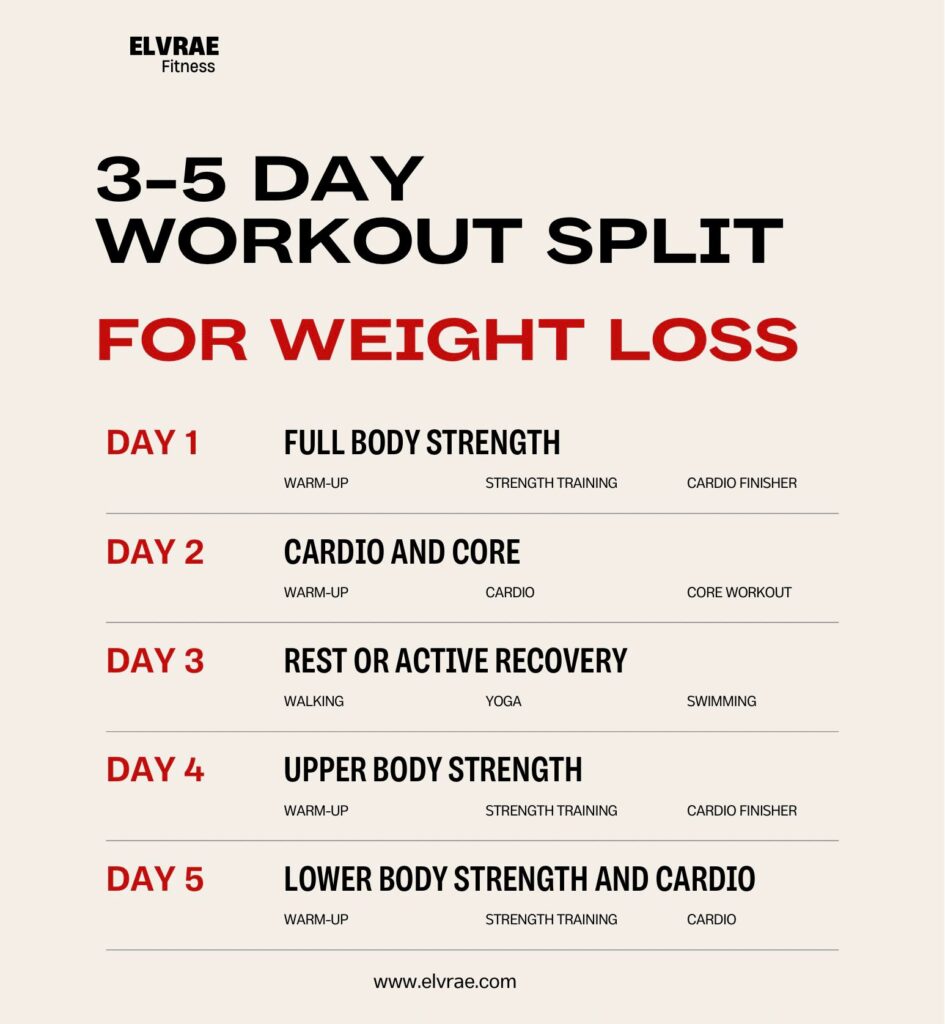
Aim for at least 3 to 5 workouts per week.
A mix of cardio and strength training is key. Cardio helps burn calories, while lifting weights helps you keep your muscle (so the weight you lose is actually fat, not muscle mass).
A large randomized trial in the Journal of Applied Physiology compared aerobic, resistance, and combined training in overweight adults. Results showed that both aerobic and combined training led to significantly greater weight and fat loss than resistance training alone, while resistance and combined training boosted lean body mass more than aerobic alone.
Here, consistency matters more than intensity.
For Muscle Gain
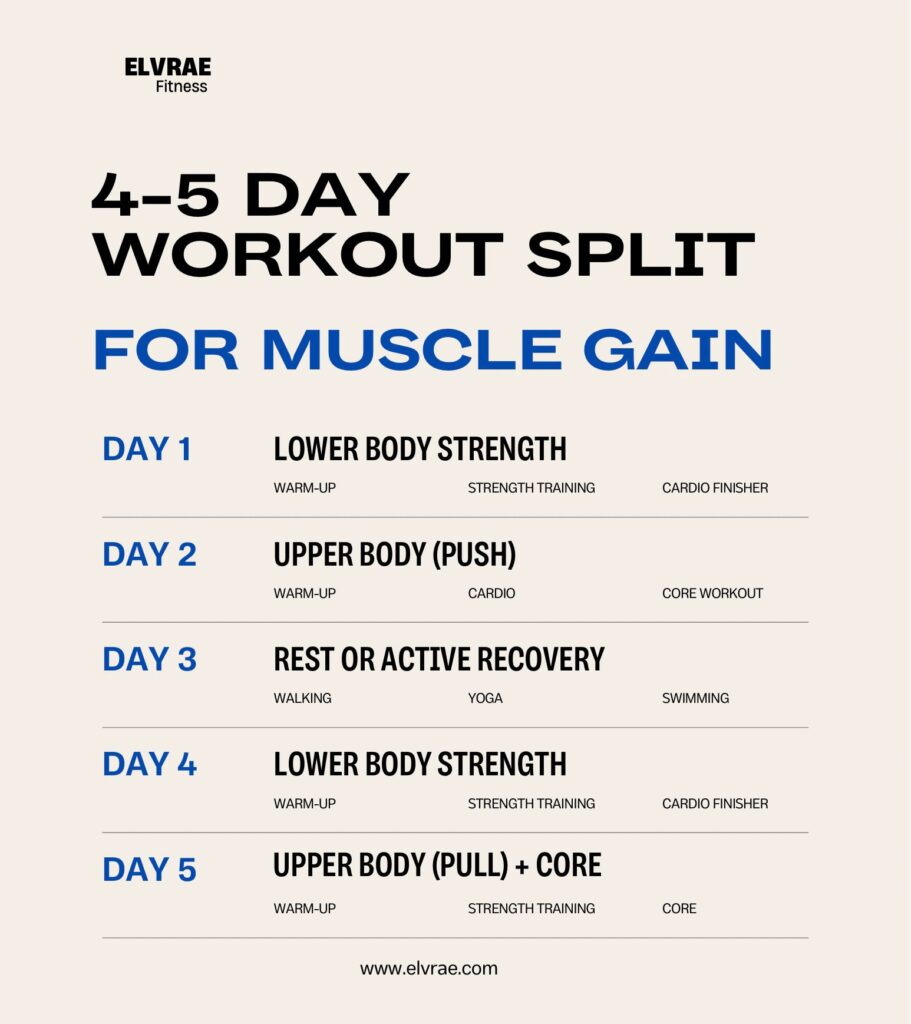
Aim for 3 to 4 resistance training sessions per week, focusing on progressive overload (gradually increasing the weight, reps, or sets over time).
For optimal muscle growth (hypertrophy), it’s recommended to train each major muscle group at least twice per week, allowing 1-3 days of recovery between workouts targeting the same area.
A meta-analysis published in Sports Medicine found that training frequency plays a significant role in muscle hypertrophy, with twice-weekly sessions per muscle group producing superior gains compared to once per week.
While consistency in training is key, muscle growth primarily occurs during recovery, not during the workout itself. Strategic rest days are essential to maximize gains and prevent overtraining.
For General Fitness
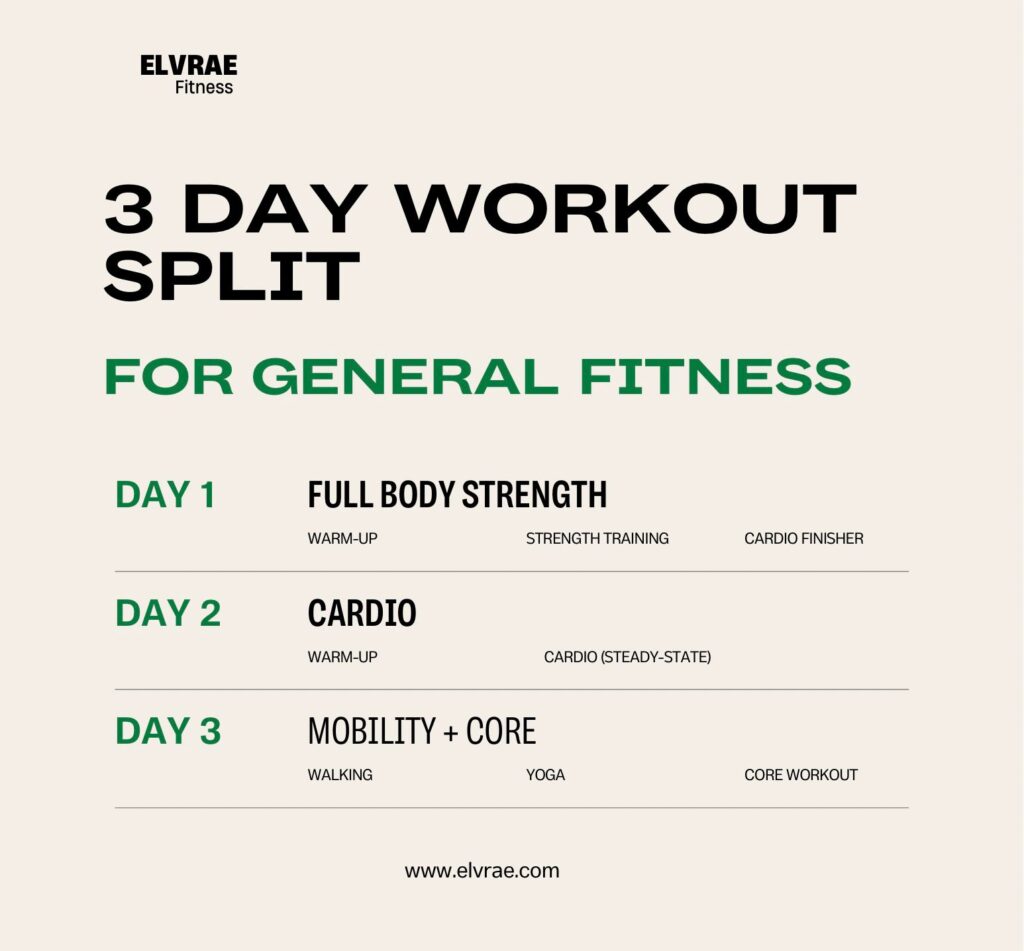
If your main goal is to feel healthier overall, gain more energy, and maintain a balanced level of strength and endurance, science shows that training 3 times a week is enough to start seeing results, especially for beginners.
According to the Physical Activity Guidelines for Americans
-
- 150–300 minutes of moderate-intensity aerobic exercise per week improves heart health, metabolic function, and mental wellbeing
-
-
2+ strength sessions per week help build muscle, support joint health, and improve daily functional movement.
-
The key is building a routine that you enjoy enough to stick with.
But Will I See Results with Just 3 Days a Week?
Yes, if you’re:
-
-
Following a balanced workout
-
-
-
Eating enough protein and staying in the right calorie range
-
-
-
Sleeping and recovering well
-
Results don’t come from the workout alone, they come from the whole lifestyle around it.
Takeaway: Quality > Quantity
More workouts don’t always mean better results. Overtraining can lead to fatigue, burnout, and plateaus.
Instead, focus on:
-
-
Progressive overload (slowly increasing weight and/or reps)
-
-
-
Proper form
-
-
-
A program that makes sense for your level
-
If you’re a beginner, 3–4 focused sessions per week will take you further than 6 random ones.